
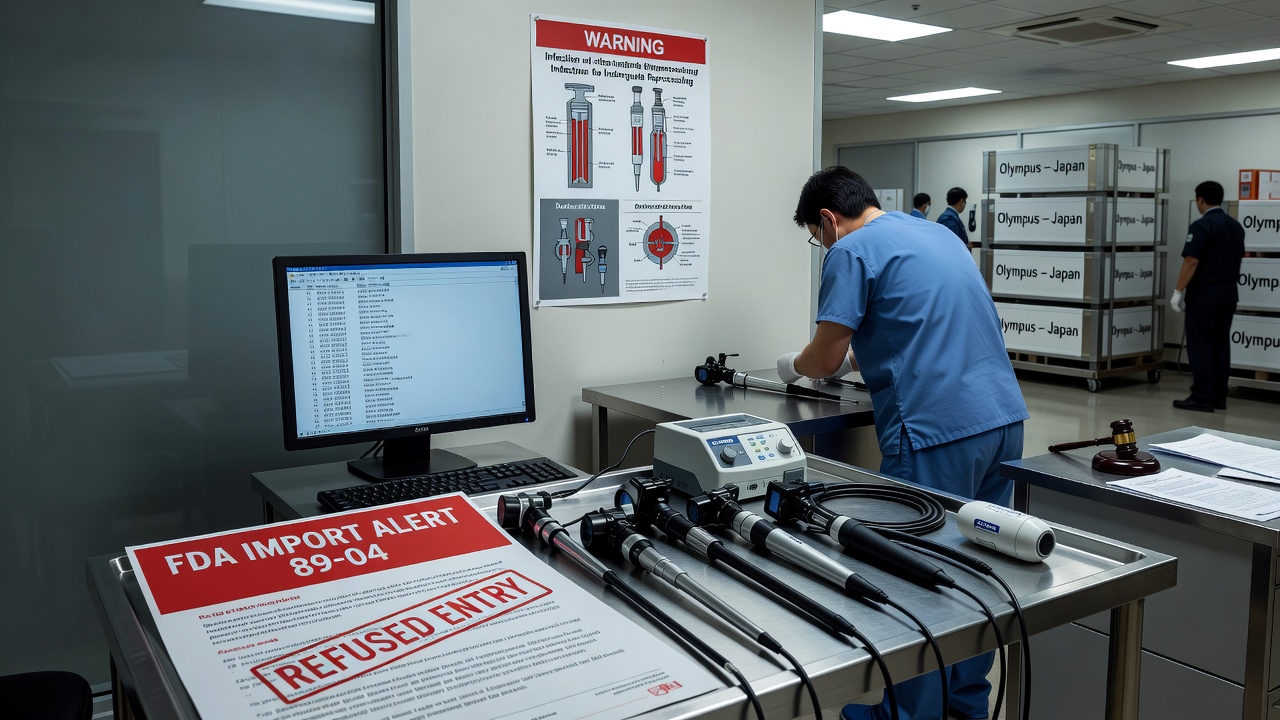
The U.S. Food and Drug Administration has told health care providers nationwide to be aware of an import alert blocking entry of certain Olympus Medical Systems Corporation devices made in Japan, after the agency said the company failed to resolve longstanding quality control and regulatory compliance problems. The October 20 letter does not require hospitals to stop using compliant Olympus equipment already in service, but it flags ongoing concerns about infection risks tied to reprocessing failures.
What the import alert covers
Import Alert 89-04 targets a range of Olympus devices manufactured in Japan, including ureterorenoscopes, bronchoscopes, laparoscopes, automated endoscope reprocessors, ingestible telemetric gastrointestinal capsule imaging systems and enteroscopes. Under the alert, these products will be refused entry into the United States. The FDA clarified that the restriction does not apply to accessories or related components used alongside the listed devices, and it is urging providers to check model numbers and Unique Device Identifiers against the agency's published list.
Why reprocessing failures matter
Endoscopes and duodenoscopes are reused across many patients and must be thoroughly cleaned and disinfected between procedures, a process known as reprocessing. The FDA has long warned that narrow internal channels and intricate mechanisms, such as the elevator component in duodenoscopes, can trap blood, tissue or other biological material even after cleaning. When that happens, pathogens can potentially pass from one patient to the next during procedures like ERCP, colonoscopies, upper endoscopies and bronchoscopies. The agency has previously pushed manufacturers toward disposable or removable parts to reduce this risk, but it says problems persist with Olympus's compliance record.
Guidance for providers and patients
The FDA is not instructing hospitals to remove functioning Olympus devices from use. Instead, it is emphasizing strict adherence to manufacturer cleaning and disinfection protocols, routine inspection, and avoidance of any device that is damaged or fails leak testing. Providers and patients are encouraged to report complications through the FDA's MedWatch system. Separately, a number of former patients have filed lawsuits alleging Olympus did not adequately correct design defects linked to infections, including sepsis, bacterial and blood-borne infections, and in some cases wrongful death. Those claims remain allegations under civil litigation and have not been adjudicated.
What remains uncertain
The FDA has not specified a timeline for when or whether the cited compliance issues might be resolved, nor has it quantified how many patients may have been affected by reprocessing-related infections tied specifically to the listed devices. Readers should treat pending litigation claims as unproven allegations rather than confirmed findings, and consult the FDA's published alert and their own health care providers for device-specific guidance.