
Study Links Midwife Training and Experience to Postpartum Depression Knowledge Gaps in Sri Lanka
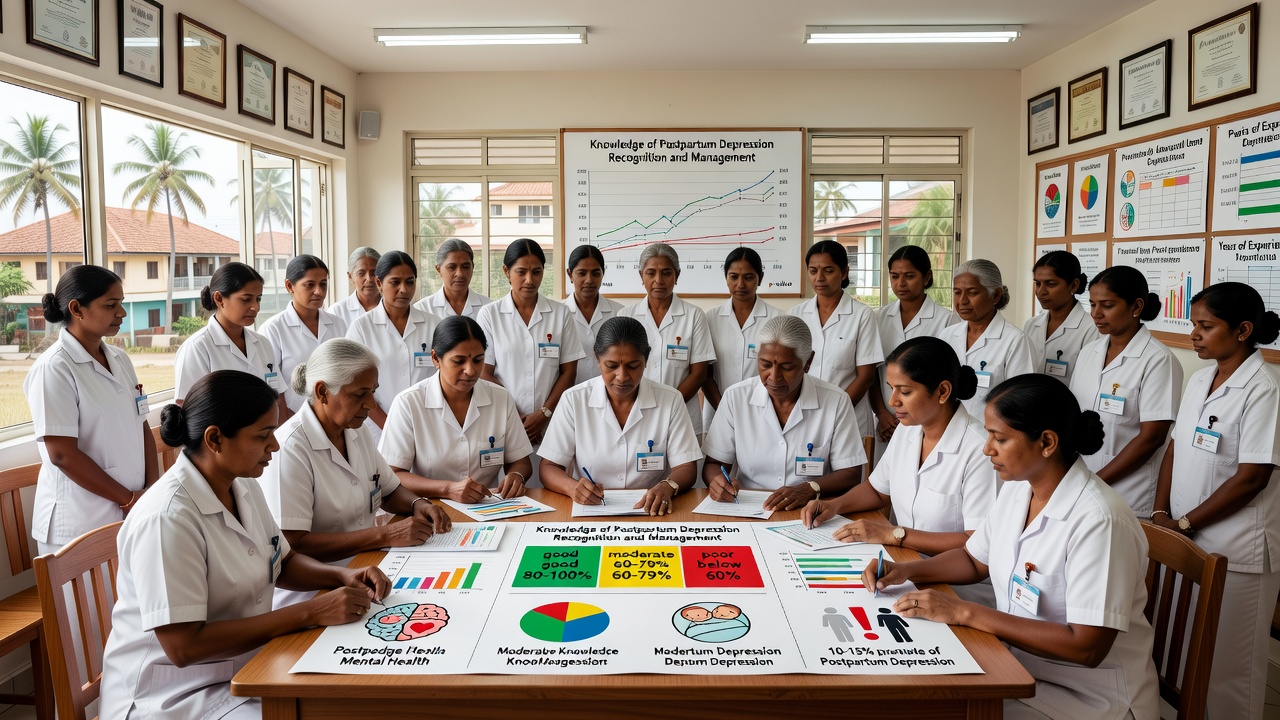
A cross-sectional survey of midwives in Sri Lanka's Jaffna district found that more than half had only a moderate understanding of postpartum depression and its clinical management, with knowledge levels closely tied to age, education and prior training. The findings, published in BMC Nursing, point to specific gaps that targeted training programs could address.
What the study measured
Researchers distributed a self-administered questionnaire to 215 midwives in the district, with 186 responding - an 86.5% response rate. The survey, developed with supervisory guidance and pretested on five midwives excluded from the final analysis, covered socio-demographic background, service-related factors and knowledge of postpartum depression recognition and management. Scores were sorted using standard knowledge-attitude-practice benchmarks: good (80-100%), moderate (60-79%) and poor (below 60%).
Key findings
Most participants fell into the moderate knowledge category. The majority of respondents were between 31 and 40 years old and had completed Advanced Level midwifery training. Statistical analysis showed that knowledge scores were significantly associated with age, educational attainment, years of professional experience, and whether midwives had received postpartum depression-specific training or hands-on exposure to cases, with all associations meeting a p-value threshold below 0.05.
- Midwives aged 36-50 showed higher rates of good knowledge than younger colleagues.
- Those holding diploma-level qualifications outperformed peers with only basic certification.
- Midwives with ten or fewer years of professional experience were more likely to score well, a pattern the study authors note without fully explaining, possibly reflecting more recent or updated training content.
Why this matters for maternal care
Postpartum depression affects an estimated 10-15% of women after childbirth and can have lasting effects on maternal well-being, infant development and family stability. Midwives frequently serve as the first point of contact for new mothers in community settings, making their ability to recognize warning signs and guide appropriate follow-up care a practical safeguard for early intervention.
Limits and next steps
Because the study is descriptive and cross-sectional, limited to a single district, it reflects a snapshot of knowledge rather than a measure of change over time or a causal explanation for the gaps identified. The authors recommend targeted educational interventions and ongoing professional development to strengthen midwives' ability to identify and manage postpartum depression, with the broader goal of improving maternal mental health outcomes in the region. Replicating this work in other districts would help determine how widely these patterns apply.